Skip to main content Skip to search Skip to main navigation
Family business since 1930
Made in Germany
Organic merino wool from Patagonia
IVN BEST & GOTS certified

Easy-care by nature

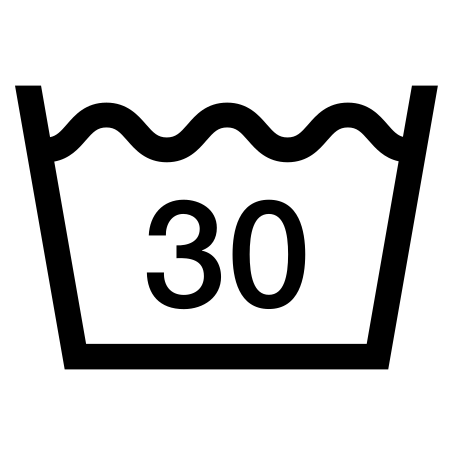
Simply knitted simply the best - nature always knows the easiest way. As a rule of thumb: our clothes should be washed as little as possible, but instead should be left to hang in the fresh air. Which isn’t a problem at all in terms of hygiene. Bacteria generally find it very difficult to stick to natural fibres. But should it ever become necessary, you can wash our garments at 30°C on a wool cycle.

Our materials

We rely on the best that nature has to offer. Our materials are not only high-quality and sustainable, but are also extremely comfortable to wear. Whether virgin merino wool, silk, or a blend of the two, each garment has its own advantages and special features.

  • Mulesing-free by nature. Our sheep live in Patagonia. The flies, which are the reason for the controversial practice of mulesing, do not even exist there.

    Merino wool – high-tech by nature

    As (almost) always, nature is the best designer. Our breathable virgin merino wool is the best proof for this. It has natural properties that no synthetic fibre can fully replicate. It is naturally dirt- and water-repellent, and regulates the body climate perfectly. It cools in summer and warms in winter. And is the ideal companion for your big and small adventures.

    Silk – that special something

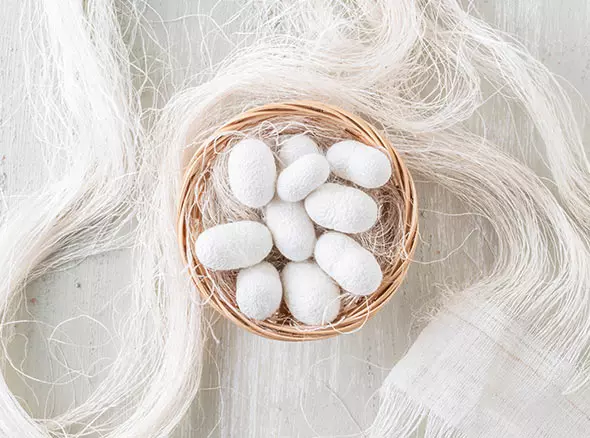
    Silk stands for elegance and luxury. But it has much more to offer. It is smooth, balances the temperature, and adds a special touch to any garment. Its fine fibres caress your skin and provide a unique feel. In combination with merino wool, the result is a unique material blend that unites the best properties of both natural fibres – for a feeling of well-being that you will want to wear all year long.

    Merino wool and silk: the right treatment

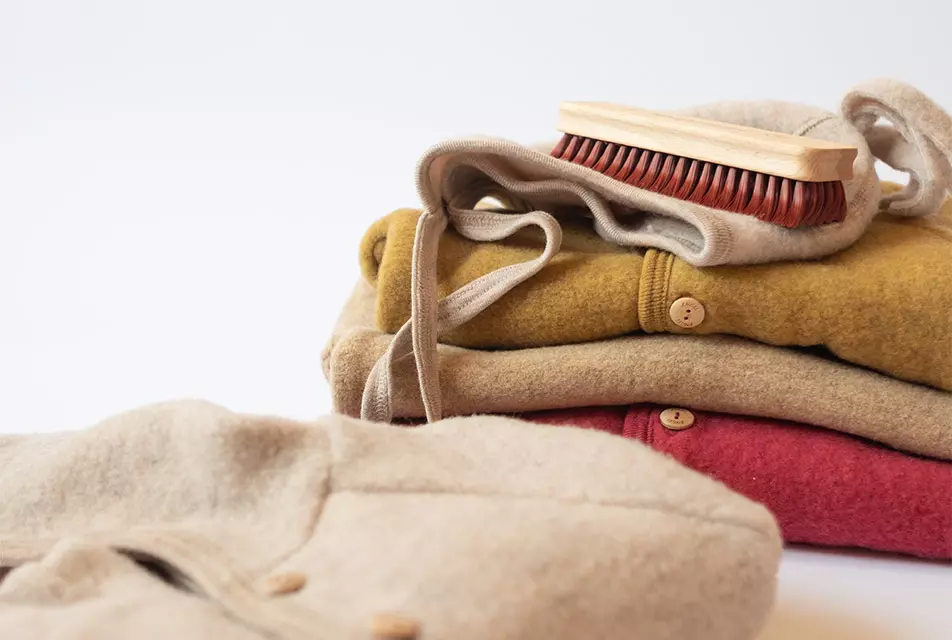
    We make it easy for you: thanks to the antibacterial characteristics of our natural fibres, gentle brushing (merino wool) and airing are sufficient in most cases. A real dream – for us and for our environment too. 


    Washing merino wool and silk

    Should it ever become necessary, our natural items can easily be washed in the washing machine. Just make sure you use the right settings: cold or maximum 30°C in the wool wash cycle, with wool detergent and at a low spin speed (400 rpm). When hand washing, the natural product should not be left in water for too long as this damages the wool fibres. Simply wash in clear, lukewarm water and rinse (avoid temperature fluctuations at all costs). Please do not wring, but squeeze out gently in a towel and dry flat. This will keep your treasures soft, dimensionally stable, and retain their unique properties.


    You can remove small spots and blemishes easily and naturally. Regular airing and gentle brushing is sufficient in most cases. Even with rough stains such as mud, it is advisable to simply allow the garment to dry and then brush it out. Lint and pilling are natural characteristics of natural wool products. If it bothers you, you can still easily do something about it:
    • Use a lint roller or a lint shaver
    • Brush the fabric with a soft clothes brush 
    • Try using adhesive tape to remove lint
    • Place the clothes briefly in the tumble dryer at a cold temperature
    • Do not use fabric softener as it increases pilling and damages the wool

    Protecting merino wool and silk

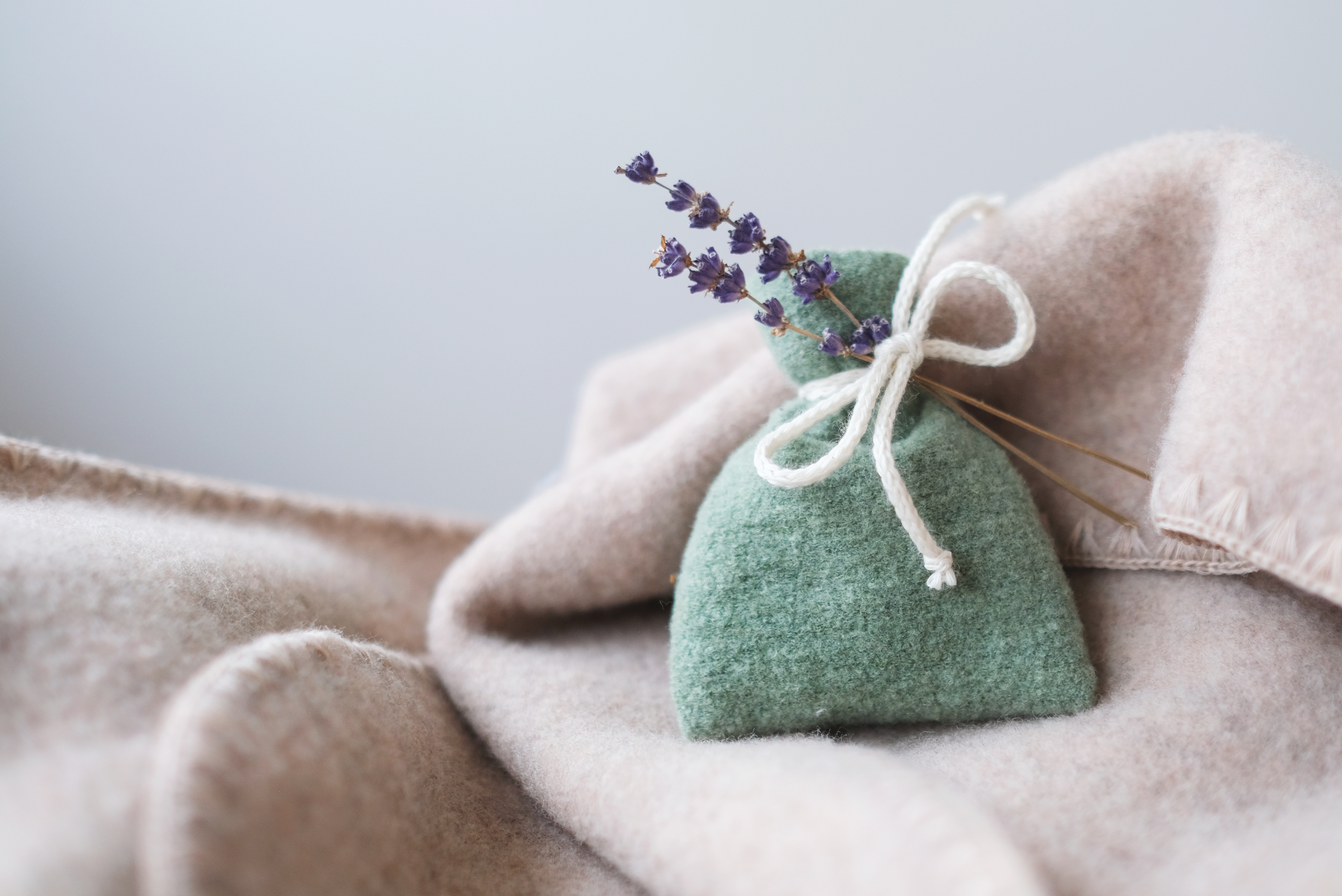
    Moths and fur beetles? As much as we love nature, we don’t need this sort of thing in our clothes. We recommend storing your clothes in tightly closed cupboards or garment bags. Natural fragrances such as lavender or cedar wood can also help to keep unwanted guests away.

    FAQ & Lexikon

    Hier geben wir Antworten auf die meisten Fragen

    You can find us here:

    Wörthstraße 155
    72793 Pfullingen
    Tel: +49 7121/38787-88

    Directions via Google Maps


    Opening hours
    Monday to Wednesday:
    09:00  – 15:00
    Thursday and Friday:
    09:00 – 18:00
    Saturday:
    09:00 – 14:00 (only in November & December)


    Gift vouchers for the factory outlet are available directly from us on site.

    We look forward to your visit.

    For sustainability reasons, we do not have catalogues for end consumers. However, you can view our catalogue and lookbook online and download it from our website.

    Our products are made where sustainability begins – right here in southern Germany. The majority are manufactured in our own factory in Pfullingen, while other items are produced in partner companies within a radius of just 50 kilometres. This proximity enables us to keep transport distances short, protects the environment, creates flexibility – and secures local jobs. Get to know our partner companies – and the people who put their heart and soul into ensuring quality.


    Our ENGEL products are manufactured under fair working conditions in Germany. We attach great importance to ensuring that the people who make our clothing do so under safe, fair and respectful conditions. Our certifications prove that these are not just empty words: around 95% of our range carries the GOTS or IVN BEST seal – two of the world's strictest standards for ecological and social responsibility in the textile industry. Both certificates require compliance with key ILO fundamental labour standards – including the prohibition of child and forced labour, protection against discrimination, fair remuneration, safe working conditions and the right to freedom of association.

    As a manufacturer, we take responsibility – from animal welfare to the finished garment.

    ENGEL manufactures in accordance with the strict requirements of the Global Organic Textile Standard (GOTS), the world's leading standard for the processing of textiles made from organically produced natural fibres. This standard not only sets the highest ecological requirements along the entire production chain, but also commits to compliance with binding social criteria.

    Our GOTS certification is checked annually by independent testing institutes. This ensures that our production remains transparent, environmentally friendly and socially fair at all times – and that you can rely on genuine quality.

    You can find more information about our certification here.

    Bild kann nicht geladen werden.

    Products bearing the ‘IVN certified BEST – Natural textile’ seal are manufactured according to the highest possible ecological standards and thus clearly exceed the requirements of the GOTS.

    Products certified with the IVN BEST must be produced from 100% certified organic natural fibres.

    Further information can be found here. 

    Bild kann nicht geladen werden.

    We searched for a long time for packaging that fits our values – and our products. Because our clothing deserves protection: from moisture, dirt and, above all, pests such as moths. Many of the supposedly more environmentally friendly solutions could not guarantee this protection in the long term – not to mention the idea of sending clothing without any packaging at all.

    That's why we deliberately chose a solution that is well thought-through and makes sense in many ways: recycled polyethylene (PCR-LDPE).

    Almost all of our packaging bags are made from at least 80% post-consumer recycled material – i.e. plastic that has already been used, processed and recycled.

    Our supplier uses high-quality industrial waste, which produces particularly pure recycled material. Hardly any new resources are consumed and the bags can be recycled multiple times. Their production requires less water than cardboard or paper – and they come from Germany, just like their supplier. This saves long transport routes and reduces CO₂ emissions.

    For us, our bags are not disposable material, but a valuable resource in the cycle. And they can continue to be useful for you too: They are ideal for storage – for example, for clothes in the wardrobe or craft supplies in the children's room.

    If you have any questions about packaging or materials, we will be happy to help.

    ENGEL policy statement 

    Fundamental position 

    ENGEL GmbH is aware of its responsibility regarding the observance of human rights. We respect the human rights in our company values and delivery chains. It is our goal to promote their application and to prevent their violation. Together with our employees, customers and business partners we strive every day to promote human rights – that is what we are committed to, notably to fair business practises and good working and living conditions. 

    Taking the above as a foundation, we have drafted this policy statement. The foundation of human rights diligence at ENGEL GmbH is our commitment to respecting the human rights as they are laid down in internationally agreed frameworks:

    UN Human Rights Charter 

    UN Guiding Principles on Business and Human Rights 

    UN Convention on the Rights of the Child 

    UN Convention on the Rights of Women 

    Core labour standards of the International Labour Organisation (ILO) 

    OECD Guidelines for Multinational Enterprises 

    The ten UN Global Compact Principles


    Responsibility and claim

    Sustainability 

    Through far-sighted planning and responsible procurement of our yarns and materials, we grant our business partners an adequate time for scheduling their orders and associated with this, for suitable personnel deployment planning and payment. Should we gain knowledge of any adverse effects on human rights and the environment caused by our business operations, we commit to provide for systematic remedial action and compensation or at least for mitigation of the negative effects we have caused or towards which we have contributed with our business operations. We are cooperating with contracting companies within a radius of approx. 40 km. On the one hand, these short routes to the production sites make sense from an ecological point of view, on the other hand they allow us a high degree of flexibility, speed and production monitoring. Moreover, with short distances we minimise the risk of negative impacts on human rights, the environment and integrity.

    In a declaration of conformity, all contracting companies involved in the production process undertake to work according to the guidelines of IVN and GOTS and to observe the social requirements. Subcontracting only takes place with the consent of ENGEL GmbH to ensure that these subcontractors produce according to the same criteria. 

    95% of our range of goods is certified with the Global Organic Textile Standard (GOTS) or with the world's most demanding quality mark IVN-Best. Apart certified organic cotton we process finest new merino wool from certified organic animal husbandry with silk. All dyes used are free of heavy metals and have always been free of harmful azo dyes. Our textile finishing dispenses with unnecessary chemical finishing. Basically, all substances used must be biodegradable and may not pollute soil, air and water.

    Human rights diligence

    Like every company, ENGEL has the social responsibility to secure existing jobs. And this is not only a responsibility towards all employees, but also for the company itself. However, social sustainability also means to secure jobs in the region, in the country, i.e. to prefer regional providers, to maintain supplier relationships and to keep up close ties. 

    An important role for parties concerned or parties observing possible human rights violations is the access provided to the grievance mechanism. For this purpose, ENGEL GmbH has set up an e-mail address for the confidential reporting of information on compliance violations and information relating to human rights. These grievances can be addressed to complaint@engel-natur.de.

    This e-mail address is checked on a weekly basis and so far, no complaints have been received. 

    The social criteria are known to all employees and the current version from the GOTS and IVN-BEST guideline is on display both at ENGEL and at the contractors' premises. There is a financial reward system for suggestions for improvement regarding the entrepreneurial due diligence. 

    We place a particular focus on the protection of vulnerable people such as adolescents, women, older employees and disabled persons and consider their wishes and skills with regard to work quality and work performance. 

    ENGEL undertakes to pay remuneration at least amounting to the legally guaranteed minimum wage with working times that are consistent with current standards. Beyond that, we align ourselves with the payment of living wages. 

    All our employees have a written employment contract in accordance with § 2 of the German Nachweisgesetz (Law on proof of the essential conditions applicable to an employment relationship).


    Responsibilities 

    The overall responsibility for compliance with our principles in sustainability and human care rests with the management of ENGEL GmbH. ENGEL GmbH will critically review its position and the former's implementation on a regular basis and will continue to develop it.
    Anyone who wants to buy sustainable clothing expects more than just a green label. But what does sustainable textile production actually mean and how can you be sure that ecological and social standards are actually being met? At ENGEL, we explain what ‘sustainability in clothing’ means to us.

    Thank you for your interest in our products.

    We are delighted that you would like to include ENGEL natural clothing in your range.

    Please send us a copy of your business registration and a brief description of your shop – or alternatively, a link to your online shop.

    Once we have received your details, we will send you further information about a possible collaboration.

    We look forward to receiving your message and getting to know you.

    The TOG system provides a unit of measure for the heat resistance of textiles. TOG stands for thermal overall grade and is used to describe the warmth or thermal resistence of a garment. The higher the TOG value, the warmer the sleeping bag. The following table shows which items of clothing the baby should wear inside the sleeping bag, depending on room temperature and the TOG value of the sleeping bag.

    FAQ Image

    ATTENTION: This table only provides reference points. The appropriate clothing always depends on the room temperature and not on the season. ENGEL sleeping bags have the following TOG values:


    • Terry sleeping bag: 0.64  
    • Fleece sleeping bag: 1.65

    Many people associate wool with unpleasant itching – and there's a reason for that: most people remember wool from their childhood, often in the form of coarse virgin wool with thick fibres. But that has long since changed.

    Today, there are fine wool qualities that are soft, skin-friendly and absolutely scratch-free. The decisive factor is the fibre strength – and that's exactly what we make visible for you.

    Find out more about which wool is really soft – and what you should look out for.

    Wearing wool in spring or summer? Of course – and with good reason.

    Many people think that wool is only for the cold season. But modern wool clothing – made from fine organic virgin wool (from certified organic animal husbandry), for example – not only keeps you warm, it also actively regulates your body temperature.

    It is breathable, absorbs moisture, protects against UV radiation and remains pleasantly light on the skin. That's why wool has long been considered year-round clothing – even for warm days.

    Find out here why you can rely on our ENGEL wool even in spring and summer.

    In our tests (DIN EN 13758-1) the UV-protection of our materials wool and wool/silk was at least 22 to a maximum of 50 depending on colour and quality.

    (Please note! Wearing our clothes does not replace other UV protective measures.)

    Besides the material itself the following factors can influence UV protection:

    1. Material Structure:
      Higher density and weight of the material increases UV protection.


    1. Garment Fit:
      Stretched and tight-fit clothing offers less UV protection than lose-fit clothing.


    1. Colour:
      Dark colours offer a higher UV protection than light colours.


    1. Humidity:
      Wet clothing reduces UV protection.


    1. Use:
      Fading colours and abrasion of fibres reduces UV protection.


    1. Layering:
      Wearing more than one layer increases UV protection

    Our tests in accordance with DIN EN 13758-1 show that clothing made of wool or wool/silk offers natural UV protection of at least 22 to 50, depending on the colour and fabric quality.

    This makes our textiles a valuable part of your sun protection – especially for sensitive skin.

    Please note: Our clothing is not a substitute for complete UV protection – additional measures such as sun cream remain important.

    You can find out which factors influence UV protection here

    All ingredients used in ENGEL products are nickel-free and not harmful to health or considered to be a health concern.

    Small knots on the surface? So-called pilling is a well-known phenomenon in wool items – but what actually causes it? Can it be avoided? And is it a reason for complaint?

    We spoke to Katja, our quality manager, who explains why pilling is completely natural – and how you can minimise it with the right care.

    Read the full interview with our quality manager about the causes of pilling and tried-and-tested solutions.

    It is not necessary to wash our products before wearing them for the first time.  

    Our products are manufactured in a 100 % ecologically sound manner and are not chemically equipped. Dyes, that are of health concern or materials that can lead to skin irritations or are harmful to the environment, are not used at all. In order to comply the strict requirements of IVN BEST and GOTS, the use of all these harmful substances is prohibited.  

    Basically, we recommend that our wool and wool silk articles are washed as little as possible. Wool regenerates itself when exposed to oxygen-rich air and often it is already enough to hang the clothes outside in fresh air for a while.


    Here you will find all tips for the optimal care of wool and wool/silk.

    Important information:

    We generally recommend washing our wool and wool/silk items as infrequently as possible. This is because wool has the natural ability to regenerate itself in oxygen-rich air – often, simply airing and/or brushing the garment is enough to make it comfortable to wear again.

    And when washing is necessary:

    To ensure that you can enjoy your favourite wool or wool/silk items for a long time, you will find our tried-and-tested care tips here on how to wash your natural clothing correctly – for long-lasting favourite items in harmony with nature.

    Woollen clothing is valuable – and unfortunately also popular with textile pests. But how can you recognise a moth infestation? Which insects eat wool? And how can you get rid of them without resorting to chemical agents?

    In our article, the ENGEL team explains how you can effectively and naturally protect clothing made of wool and wool/silk from pests – including practical tips on prevention and cleaning.

    Read on and protect your favourite items

    A baby hat is part of every newborn's basic equipment – in winter as well as in summer. Why? Because babies cannot yet regulate their body temperature themselves and lose heat quickly, especially through their heads. The right hat not only protects against the cold, but also against sun, wind and draughts.

    However, most hats slip off due to the baby's natural movements. To ensure that it stays where it belongs, our video shows you how to tie a baby hat correctly – gently, securely and in a child-friendly way.

    The TOG value helps you choose the right temperature rating for sleeping bags and blankets – depending on the room temperature and season.

    In our article, you can find out exactly what the TOG value means and how you can use our TOG table and practical tips to make the right decision for your child.

    Go to the article with TOG table & decision-making aid.

    Mulesing – what is behind this controversial method and why do we produce mulesing-free products?

    To protect sheep from the blowflies that live in Australia and New Zealand, a practice known as mulesing is often used – a procedure in which parts of the skin are removed from lambs without anaesthesia.

    But there is another way: ENGEL uses only mulesing-free organic virgin wool from certified organic animal husbandry in Patagonia – without compromise.

    Find out more about mulesing, the background and our viewpoint in the article.

    Lexikon

    Begriffdefinitionen von A – Z

    is the general term for all textile finishing methods, which change the visual appearance, which are the wear or care properties of a commodity following weaving or knitting. A distinction is made between mechanical and chemical finishing.  


    Mechanical finishing with water, steam or pressure, without the use of chemicals, includes washing, sanforisation and napping. Conventionally produced textiles are frequently subjected to chemical treatments. Chemical treatments can be the mothproofing agent Eulan, super wash finish to prevent felting, dirt- and water repelling finishing, matting to prevent a high gloss effect and furthermore the crease-resistant, and anti-pilling finishing, to name a few.  

    These treatments produce a structural change of the natural fibres through the application of salts or the coating with synthetic resins. This causes adverse health effects and pollution of the environment. Untreated ENGEL products made of cotton, wool or wool/silk are exclusively subjected to mechanical finishing, which means they are washed, possibly sanforised or napped and gently processed further.

    This term refers to the seed hair of the cotton boll, which bursts open when fully ripe. It grows in a tropical and subtropical climate. Cotton from ENGEL is strictly hand-picked, always originates from controlled organic cultivation and is therefore free of pesticides, artificial fertilisers and herbicides. Apart from a considerate treatment of nature, a fair cooperation with the producers is guaranteed. Natural cotton is very skin friendly and therefore particularly well suited for sensitive skin, but at the same time extremely durable and hard-wearing. Moreover, textiles made of natural cotton wool are anti-static and colour-fast and can be washed in the washing machine at high temperatures.  


    When buying clothes made of untreated cotton, you should always order a somewhat larger size, as they will shrink by approx. 3 % to 5 % during washing. We do not recommend the use of commercially available all-purpose laundry detergents containing optical brighteners, bleaching agents, phosphates, etc. as they cause colours to fade more quickly, take a heavy toll on the textiles and in addition, overload sewage waters with chemicals.

    In the textile sector, “organic” is not a protected term so that when you encounter this term it is not guaranteed that the products were manufactured according to ecological guidelines. The same applies to terms such as “natural”, “nature”, “healthy” or “ecological”. To be sure about organic products, you can pay attention to certifications such as “controlled organic cultivation” and the quality marks “NATURTEXTIL-IVN ZERTIFIZIERT BEST”, “GLOBAL ORGANIC TEXTILE STANDARD (GOTS)”, “BIOLAND” and “DEMETER”.

    Short fibres that have come off during the combing process of waste silk spinning and the short and tangled fibre particles of the innermost and outermost sheathing of the silk moth cocoon yield semi fine to rough natural silk yarns – bourette silk – which is of mostly irregular and knobby appearance. This silk is duller, but also more full-bodied than silk waste.

    More and more children and adults suffer from neurodermatitis. Therefore it is essential to avoid allergens as early as possible, especially during the first months of life. Not only the large skin surface, but also the initially weak immune system lead to a high sensitivity of babies' and children's skin to harmful substances.  


    Toxin-free clothes rule out the danger of absorbing contaminants through the skin to a great extent. For this reason we produce clothes from natural textiles for premature children. In cooperation with the association for premature babies at the children's clinic Reutlingen, ENGEL developed the first clothes for premature babies in 1988 under the slogan »Made-to-measure clothing«. This range of clothes is specifically aligned with the needs of the tiny ones and involves romper, bonnets, pyjamas, wraparound bodies and sleeping bags, starting already with a size 38 and 44. The products are available in soft wool-silk blends or in fluffy virgin wool terry.

    The Global Organic Textile Standard (GOTS) is recognised as worldwide leading standard for the processing of textiles made of biologically produced natural fibres. The standard defines environmental requirements throughout the entire textile production chain on a high levels and at the same time demands compliance with social criteria. ENGEL offers products that are certified with the GOTS. To be able to continue these certifications, we must be recertified by an independent organiation every year to guarantee a transparent, fair and ecological production.

    GOTS%20Logo%20-%20Lizensnummer%20(3).png

    Further information can be found here.

    The skin is our largest and most important sensory organ. It serves us humans as protective shell, senses soft touches just as much as pain, pressure and temperature and regulates our entire heat and moisture balance. Depending on the degree of physical exertion, the skin releases 1 to 2 litres of fluid every day to cool the body through the sweat glands.  


    Our clothing needs to absorb this moisture – the sweat – and transport it outwards so it can evaporate. If this procedure is not working correctly, an unpleasant heat and moisture build-up occurs. This is for instance the case with clothing made of synthetic fibres or with synthetic disposable diapers.  

    The “venting of the skin”, i.e. the removal of moisture and the protection from cold, essentially depends on the textile fibres (animal or plant), their processing (woven or knitted) and the air layers between skin, under- and outerwear.  

    In general, animal “hair”, such as wool or silk warms better than plant fibres or synthetics, while an insulating air cushion is more easily formed by knitted fabrics than by woven materials.  

    An unpleasant smell is caused by bacteria, which very quickly form in the sweat. Plant and synthetic fibres form a good breeding ground for these bacteria. Animal fibres such as wool and silk absorb the smell and give it off again when aired, which means that they make it difficult for bacteria to settle.

    Elastic, double-faced flat or circular weft-knitted or warp-knitted knitwear, which on both sides of the fabric only exhibits plain stiches but is not ribbed. Two plain-plain knitted fabrics are joined together in such a manner that a plain stitch on the front is opposed by a slightly offset plain stitch on the rear. This results in an exceptionally fine and smooth loop structure. The fabric has a very supple appearance.

    Products carrying the seal “IVN certified BEST – Natural textile” are produced according to the highest possible ecological standards and thus clearly even surpass the requirements of the GOTS. Products that are certified with the IVN Best must be produced from 100% controlled organic natural fibres.
    IVNBEST_Logo


    Further information can be found at naturtextil.de

    organic cotton only permits natural fertilisers and prescribes a cultivation with crop rotation (e.g. with grain or different types of vegetables such as sweet corn, beans, peanuts). That means that cotton is cultivated without chemical fertilisers and without the use of pesticides according to biodynamic guidelines. Thus, only soils are cultivated that have not been treated with chemicals for several years. Weeds are removed by hand, while pests are controlled through mixed cultivation and the introduction of beneficial insects. Biotopes that are set up, for example hedgerows and trees, serve as nesting sites for birds and small animals. Green manuring and alternating crop rotation enliven the soil and produce bigger harvests. Depending on the degree of ripeness of the cotton bolls, harvesting is carried out in 3 to 4 manual picking processes.


    It is understood that in controlled biological cultivation, the spraying of defoliating agents and a mechanically executed harvest are not permitted. For its cotton clothing, ENGEL exclusively uses cotton from biological cultivation. Our clothing has been granted the highest award of the IVN, the certification NATURAL TEXTILE – IVN CERTIFIED BEST.

    Organic virgin wool is characterised by the respect for animals and human beings. The merino sheep can live in a healthy and stress-free manner according to their needs and their species. Pastures must be selected in accordance with the climatic and ecological conditions that suit the merino sheep, the use of pesticides is forbidden both on the pastures and on the animal. The animals reproduce in a natural manner and interventions with the animal, such as tail docking or mulesing are forbidden. In short – the sheep are living a happy life.  


    The virgin merino wool that is used in ENGEL wool products comes from controlled organic animal husbandry. With the controlled biological origin, harmful substances such as pesticides and herbicides are avoided and therefore can‘t be found in ENGEL clothing in the first place. That’s why these items have been granted the highest award of the IVN, the quality mark NATURTEXTIL – IVN CERTIFIED BEST.

    Mulesing For climatic reasons, sheep, particularly the very woolly merino sheep, are subject to infestation with the blowfly, especially in Australia and New Zealand. The fly thrives mostly in regions with permanently green ground cover, i.e. regions with frequent rainfalls. The climate is rather continental and only exhibits slight seasonal fluctuations, except for the South of Australia.  


    Animals are infested by flies and their maggots. The flies settle down in the warm, humid skin folds of the anal and genital areas that are soiled with faeces and urine and are poorly ventilated. It is an optimum climate for the fly to deposit the eggs here, which then develop into maggots. These maggots migrate into the skin and subcutaneous tissue and virtually eat the sheep alive. This leads to serious inflammations and often also to the death of the sheep. Especially at high outside temperatures, the maggots propagate quickly. To prevent these inflammations and worse, they are subjected to the excruciating “mulesing”. In Australia, the skin folds around anus, vulva and tail of the lambs are cut away with sharp scissors without anaesthetisation to prevent an infestation with fly maggots. These wounds receive no further treatment but are left to heal on their own and scar over. No more wool grows from the scar tissue, it remains sleek and fold-free so it can‘t no longer attract any flies. It cannot be ruled out that sheep have been mulesed even when dealing with Australian wools from certified organic animal husbandry. The criteria for certified organic animal husbandry are regulated by the NASAA (National Association of Sustainable Agriculture Australia Ltd.). Although mulesing is basically forbidden by the Organic Standard of the NASAA there are exceptions, which permit the use of mulesing under an extremely limited range of circumstances.  
    According to our research, mulesing can be applied at farms practising conventional animal husbandry; these are often located in rainy regions. Australia wants to find alternatives in breeding and in the (allopathic) treatment to be able to refrain from mulesing.  

    Some countries in South America have already developed laws and control systems for ecological farming that are geared to the requirements of their target markets (Europe and USA). This includes for instance Argentina. Thus, South America has the largest volume of wools from controlled organic animal husbandry and their production is guided by the EU directive on organic farming. Due to the climatic conditions in Patagonia – there are large differences in temperature between summer and winter, day and night and it is very windy – the Argentinian merino wool is curlier than the Australian wool as it needs to protect the animals from cold and wind. For the same reason, there are no “blowflies” in Patagonia so that the mulesing problem is not even of relevance here. ENGEL uses only Patagonian wool from controlled organic animal husbandry for all its woollen products. All wool products from ENGEL are certified with the quality mark “NATURAL TEXTILE – IVN CERTIFIED BEST”. This is a guarantee for mulesing-free wools. ENGEL uses only wool from controlled organic animal husbandry for all its wool and wool-silk items.

    Quality mark for natural textiles granted by the International Association of the Natural Textile Industry (IVN).  


    The quality mark NATURAL TEXTILE IVN CERTIFIED BEST is a premium label for clothing that is produced according to the currently highest ecological standards. The GLOBAL ORGANIC TEXTILE STANDARD (GOTS), the international standard label for ecological textiles, is used to label textiles that meet the basic requirements, also at a technically high ecological level. Only companies complying with the strict production guidelines of the IVN receive permission to label their products with this quality mark. Compliance with the criteria is continuously and consistently checked and evaluated at every level of production and for every substance used.  

    GLOBAL ORGANIC TEXTILE STANDARD  
    This is the minimum standard that textile products, certified by the IVN, must comply with. It is the internationally established standard label for ecological textiles.  
    A product must consist of at least 90% natural fibres if it is to bear the GOTS label, a maximum of 10% may consist of synthetic fibres or viscose. The use of up to 25% synthetic fibres is only permitted for socks, leggings and sports wear. Irrespective of this, at least a total of 70% of the fibres must originate from plants or animals from certified organic farming (Controlled organic animal husbandry and biological cultivation). Ecological fibre cultivation refrains from chemical or synthetic pesticides and fertilisers. Species-appropriate husbandry is prescribed. Organic production protects soil, water and air, preserves biodiversity and refrains from the use of genetic engineering. For the treatment of fibres, it is important to restrict certain chemical processes: bleaching is only permitted with oxygen, chlorination of wool is not permitted. Mechanical or thermal methods, however, are unproblematic. Only substances that do not pose a risk to either health or environment and that have been approved by the certification requirements may be used for colouring and printing the fabrics. Colours containing toxic heavy metals, aromatic solvents or the dangerous azo dye group are taboo. Conventionally produced textiles are provided with functional properties, such as “crease-resistant”, “water-repellent” or “anti-pilling”. However, for natural textiles, this “equipment” may only be achieved through thermal and other physical methods. Synthetic substances are only allowed for softening, fulling and felting. Problematic substances such as toxic heavy metals, formaldehyde, aromatic solvents, chlorophenols or certain halogen compounds are forbidden in the entire production process. All substances must be biodegradable and may not pollute soil, air and water. Components and accessories such as applications, padding, lining, cords and shoulder pads are made of natural fibres or viscose. The metal of zips must be free from chrome and nickel to avoid allergic reactions. To ensure the quality of textiles, appropriate requirements regarding the colour fastness to light, perspiration, saliva and washing as well as the shrinking properties have been prescribed. All final products must comply with residue limits in respect of a comprehensive list of health-threatening and environmentally harmful substances. The “International Labour Organisation” defines criteria that apply as minimum social criteria for the GOTS: prohibition of forced labour, prohibition of child labour, abuse or discrimination, fair pay, occupational health and safety and freedom of association.  

    NATURAL TEXTILE CERTIFIED BEST  
    The certification of the IVN stands for the highest possible ecological standard and surpasses even the requirements of the GOTS. The basic difference is that the textiles must be produced from 100% certified ecological fibres. The list of approved colours and tools is shorter than that for the GOTS, for example, when it comes to colours containing heavy metals, no exception is made for copper. Mercerising, i.e. the finishing of cotton yarns with caustic soda to increase the gloss, is forbidden. Optical bleaching agents are also not permitted. As far as components and accessories are concerned, no padding, embroidery threads or viscose ribbons are permitted; these must also consist of natural fibres.  
    Source: IVN

    Nickel is a silvery-white metal and the most frequent trigger of contact allergies. It is estimated that approx. 2 million people in Germany are sensitised to nickel. Besides, inhaling inorganic nickel compound leads to an increased risk of lung cancer. This is why ENGEL only uses nickel-free materials for press studs and other closures.

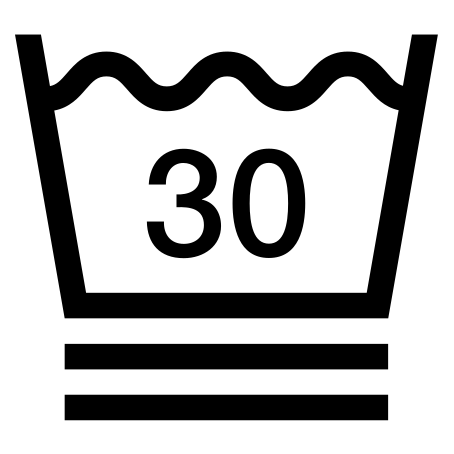
    Washing
    Symbol Normal wash cycle
    Symbol Gentle wash cycle
    Symbol Special gentle wash cycle (delicates)
    Symbol Hand wash
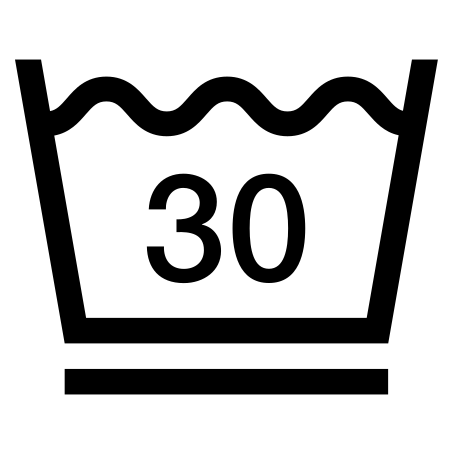
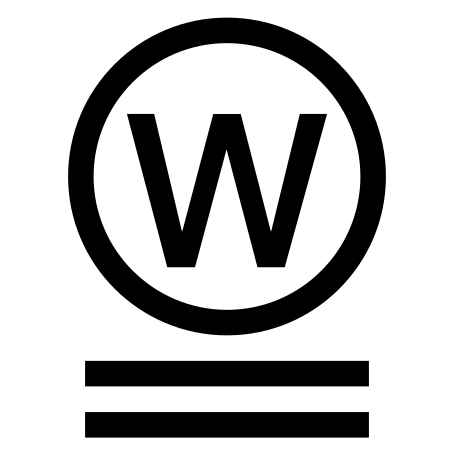
    The numbers in the wash tub correspond to the maximum wash temperatures that must not be exceeded. The bar below the wash tub demands a (mechanically) more gentle treatment (gentle wash cycle). It identifies wash cycles that are for instance suitable for easy-care and mechanically sensitive items. The double bar identifies wash cycles with further reduced mechanics, e.g. for wool.
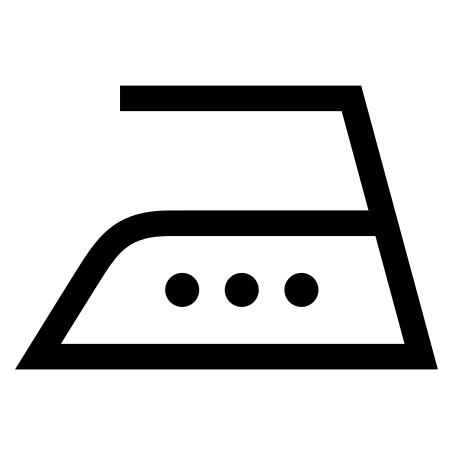
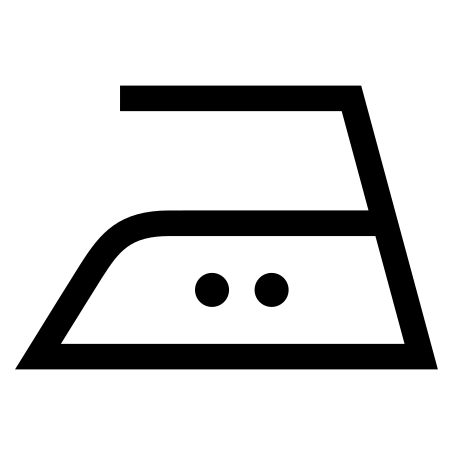
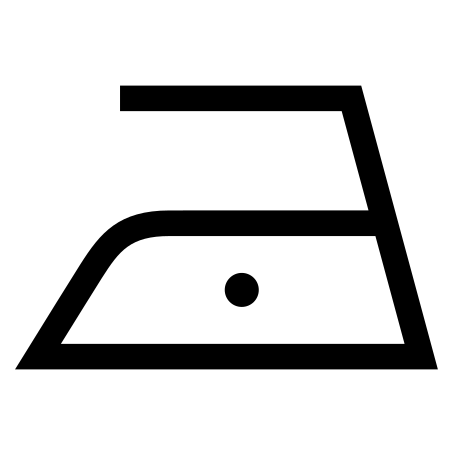
    **Ironing**
    Symbol hot ironing
    Symbol moderately hot ironing
    Symbol do not iron hot, caution when ironing with steam
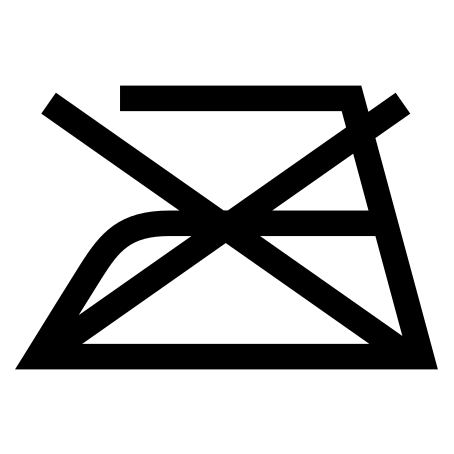
    Symbol do not iron
    The dots identify the temperature ranges of irons with controller.
    **Tumbler drying**
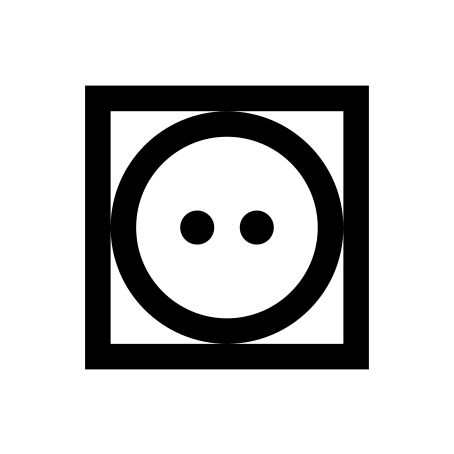
    Symbol Drying with normal thermal stress
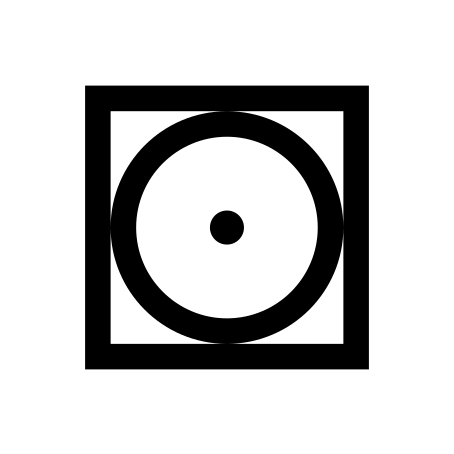
    Symbol Drying with reduced thermal stress
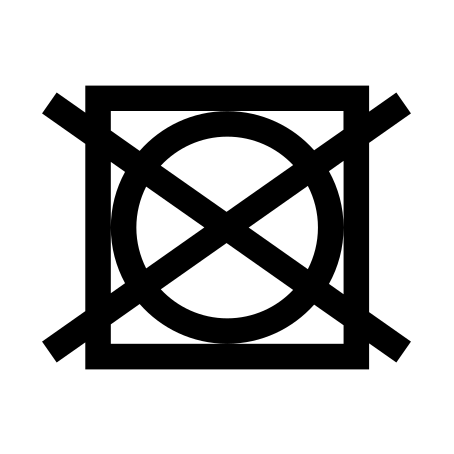
    Symbol No tumbler drying possible
    The dots identify the tumbler (tumble dryer) drying stage.
    **Bleaching**
    Symbol Chlorine bleach and oxygen bleach permitted
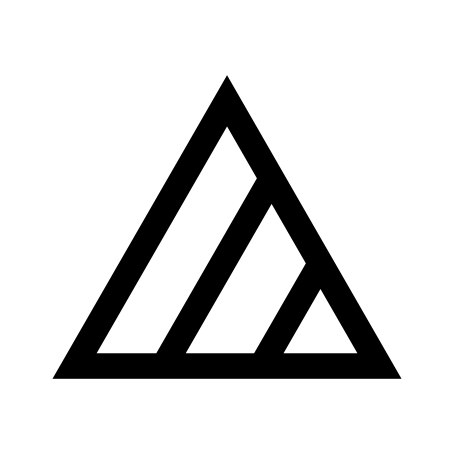
    Symbol Only oxygen bleach permitted/no chlorine bleach
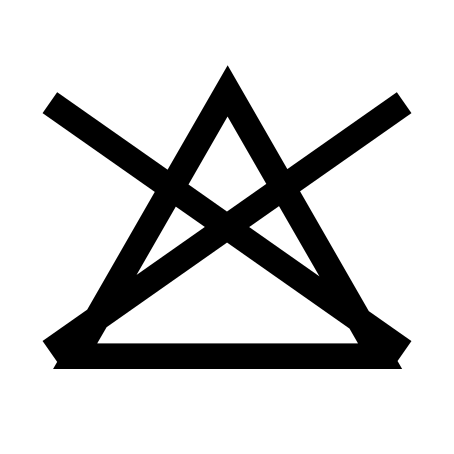
    Symbol Do not bleach
    **Professional textile care**
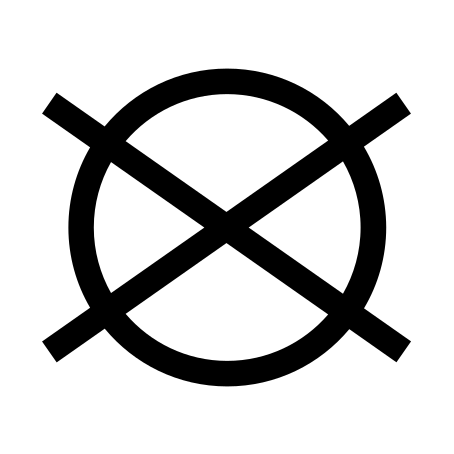
    Symbol No dry cleaning possible
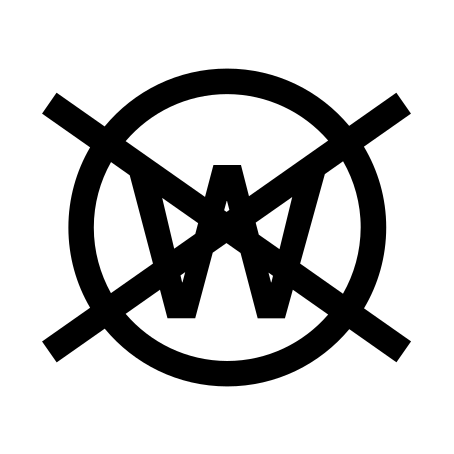
    Symbol No wet cleaning possible
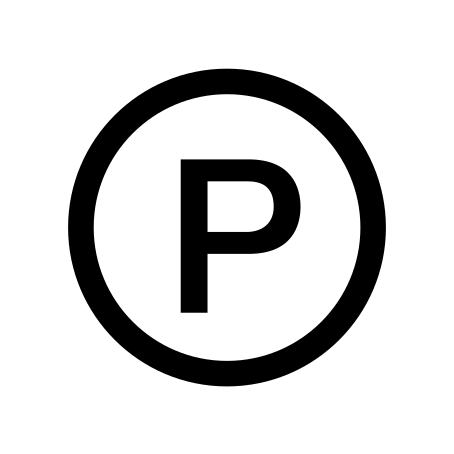
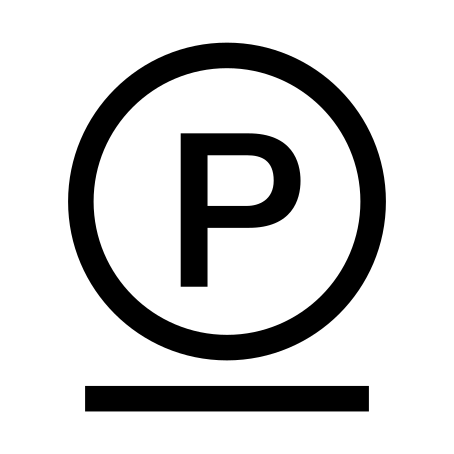
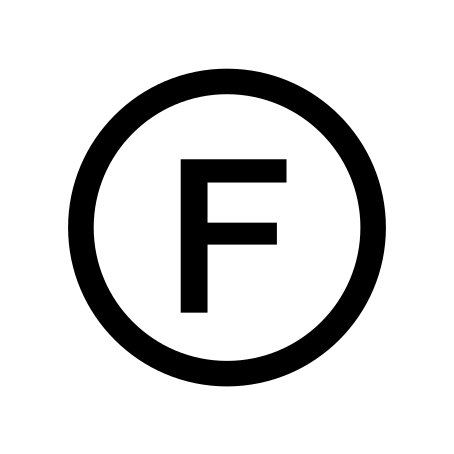
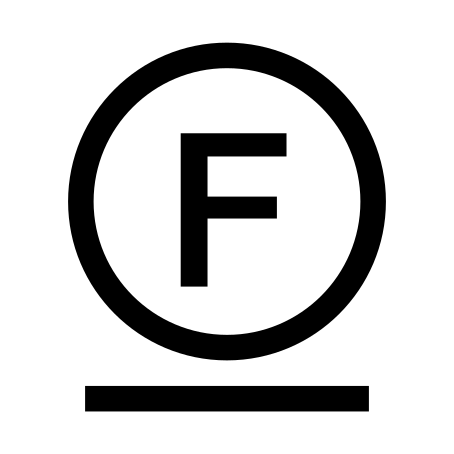
    Symbol Symbol Symbol Symbol
    The letters refer to dry cleaning and provide an indication of eligible solvents. The bar below the circle demands for a restriction of the mechanical stress, the added moisture and/or the temperature during cleaning.
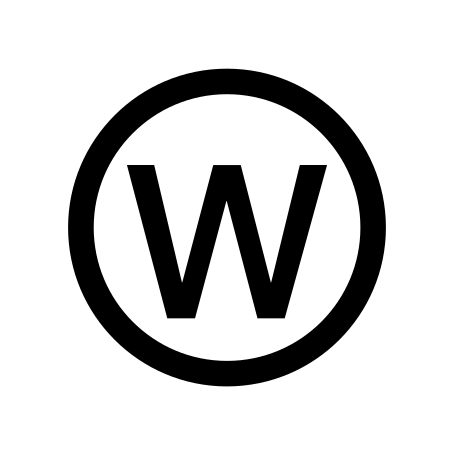
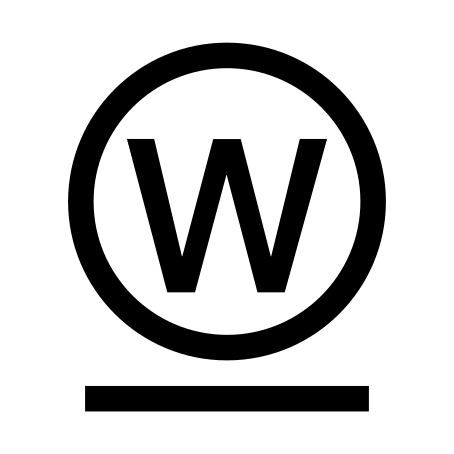
    Symbol Symbol Symbol
    This symbol can identify items that can be treated with wet cleaning methods. It is added as second line under the symbol for chemical cleaning. The bars under the circle demand for a restriction of the mechanical stress during wet cleaning (see washing).

    Sleeve cut, where sleeve and shoulder portion consist of one part. The raglan seam runs from the neck ring across the breast and diagonally across the back to the armhole.

    is obtained from the cocoon of the wild silk moth. It designates the long staple fibres that are spun to tussah silk using the spun silk spinning method.

    The silk thread is an animal protein fibre that is won from the cocoon of the silkworm. Its structure and properties are similar to wool fibres. The extraordinarily long fibres of natural silk, their tensile strength, yarn count and their characteristic touch turn them into one of the most precious and valuable textile materials. Silk has the gift to regulate the temperature and is particularly skin-friendly, so it is also very suited for people with sensitive skin.  


    Silk can absorb 40 % of its own weight in moisture. It regenerates – like wool – in fresh air and does not need to be washed that often. It is recommended to hand wash items in warm water without rubbing. Avoid excessive direct sunlight during drying as this can cause the fibre to get brittle and lose its strength.

    Wool fibres are protein fibres, and their composition is similar to the human skin. Only the hair of sheep is referred to as wool. All other animal hair, whether obtained from lamas, vicunas, goats, angora rabbits and camels, is not defined as wool although they are all very similar in structure. These are all protein fibres that consist of keratin (horn). Wool fibres have a characteristic structure due to their fine scales that are layered in a tiered structure. When treated incorrectly, these outer scales can become so entangled that the scales firmly interlock, that means the wool turns mat. Virgin wool describes wool fibres that are won by shearing living sheep. Only the primary processing may be referred to as pure virgin wool. Virgin merino wool comes off the merino sheep; it has a fine curl and is supple and soft.

    Wool is very elastic. It is dirt- and water-repellent. Wool provides a temperature balancing and heat-regulating effect. It keeps you warmer than any other material. It regulates skin perspiration and the exchange of oxygen. It can absorb up to 1/3 of its own weight in moisture without feeling wet. Thanks to the dirt-repelling habit, frequent washing is unnecessary as wool regenerates itself in combination with oxygen-rich air, i.e. by airing outside.