
Glossary
Term definitions from A to Z
Short fibres that have come off during the combing process of waste silk spinning and the short and tangled fibre particles of the innermost and outermost sheathing of the silk moth cocoon yield semi fine to rough natural silk yarns – bourette silk – which is of mostly irregular and knobby appearance. This silk is duller, but also more full-bodied than silk waste.
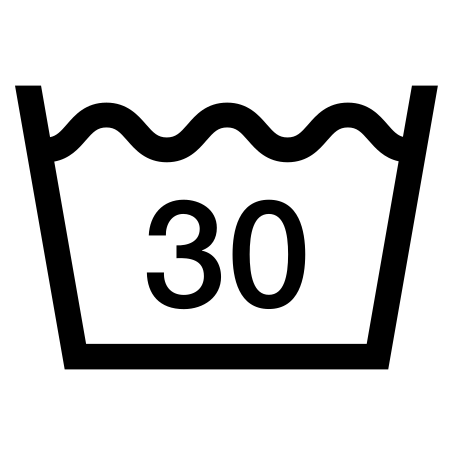 Normal wash cycle
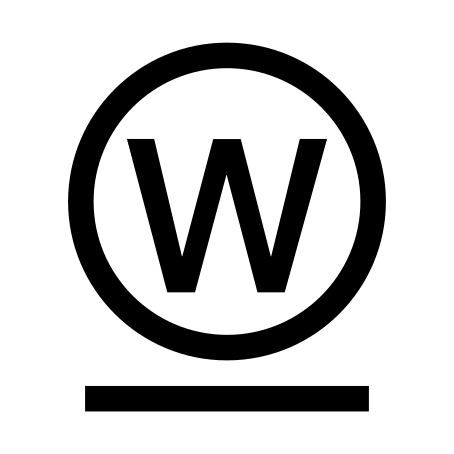
 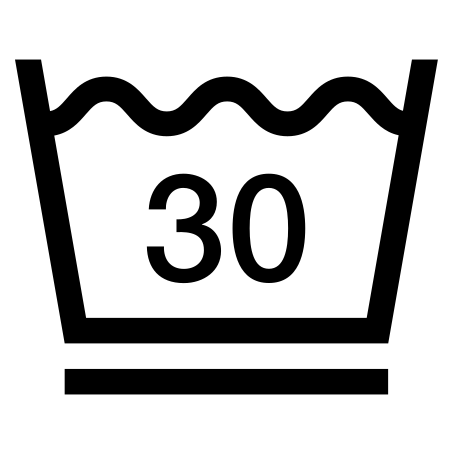 Gentle wash cycle
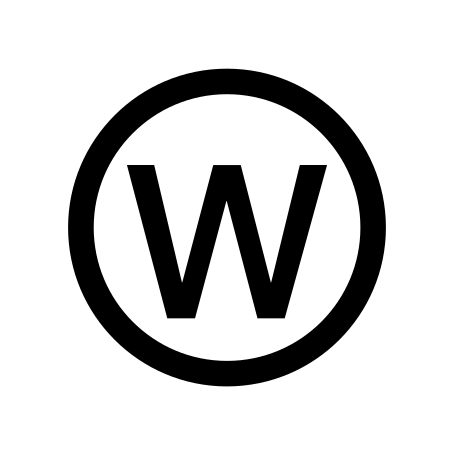
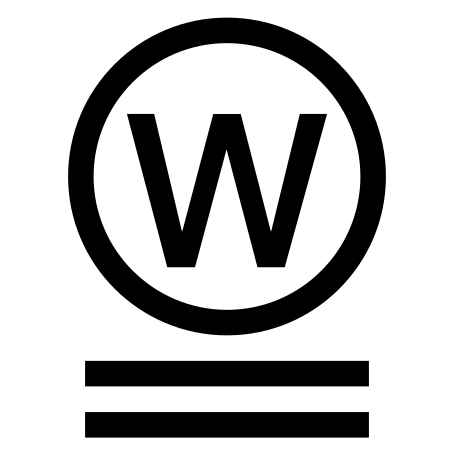
 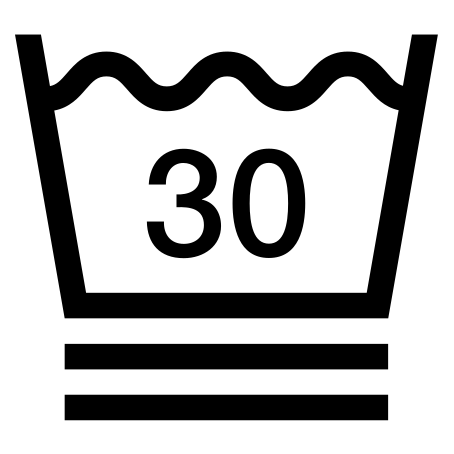 Special gentle wash cycle (delicates)
 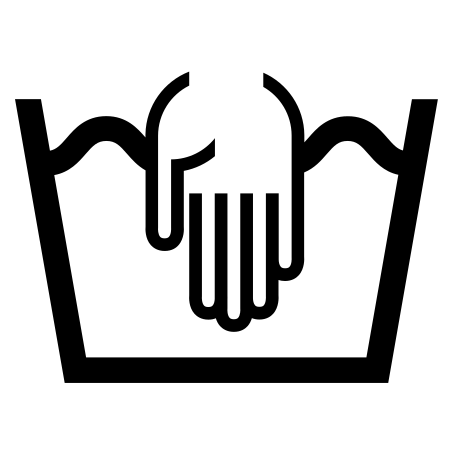 Hand wash
 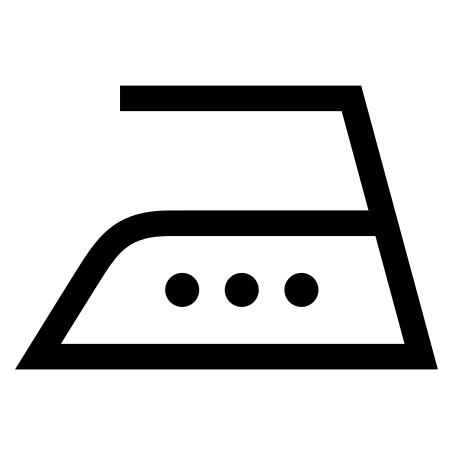 hot ironing
 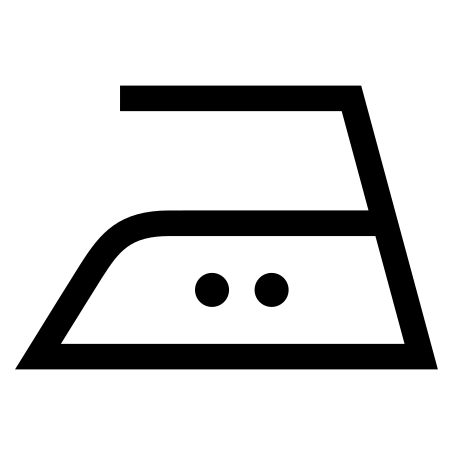 moderately hot ironing
 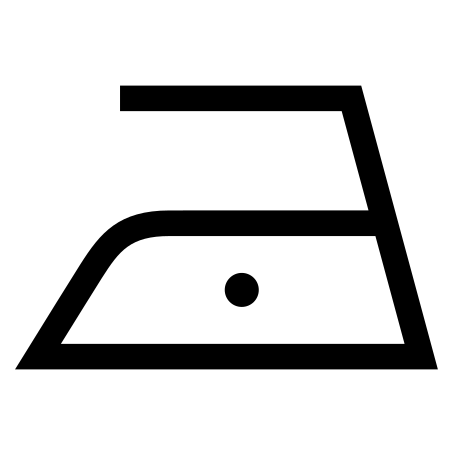 do not iron hot, caution when ironing with steam
 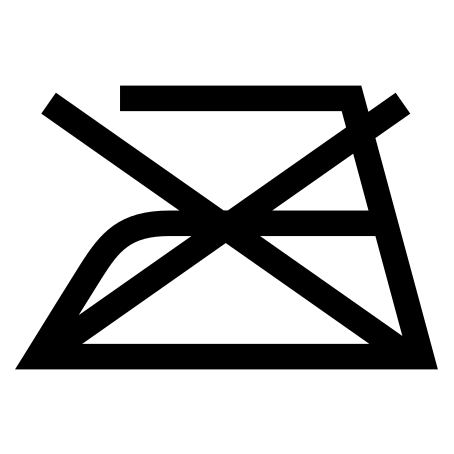 do not iron
 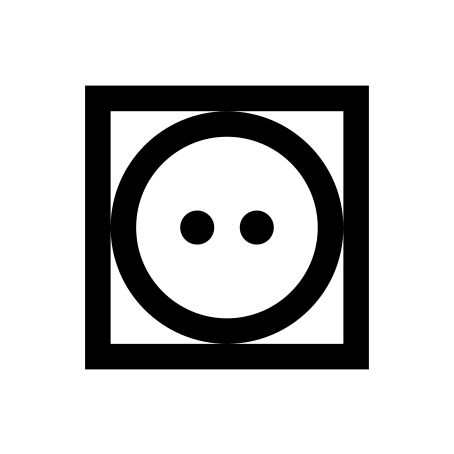 Drying with normal thermal stress
 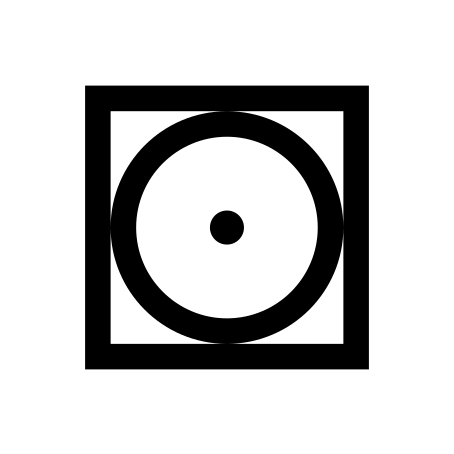 Drying with reduced thermal stress
 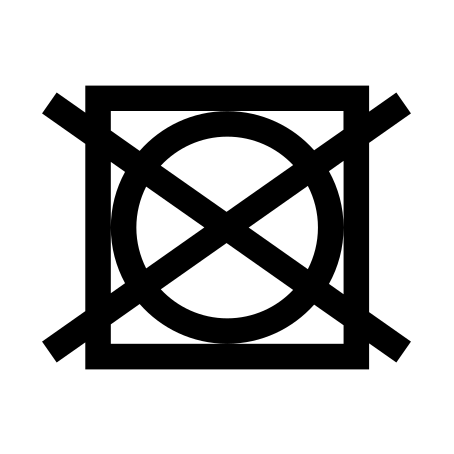 No tumbler drying possible
 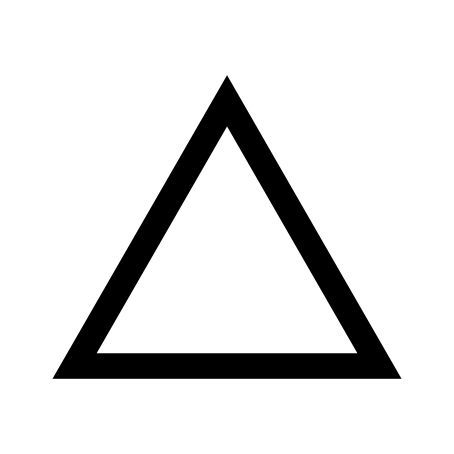 Chlorine bleach and oxygen bleach permitted
 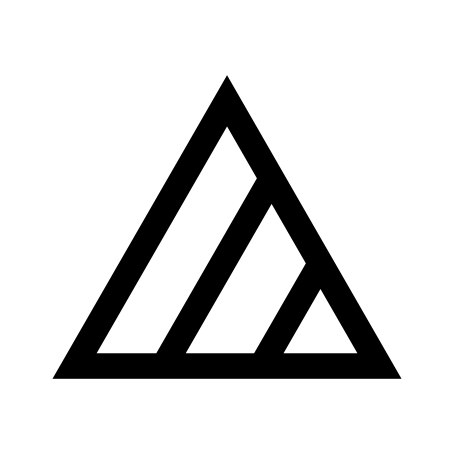 Only oxygen bleach permitted/no chlorine bleach
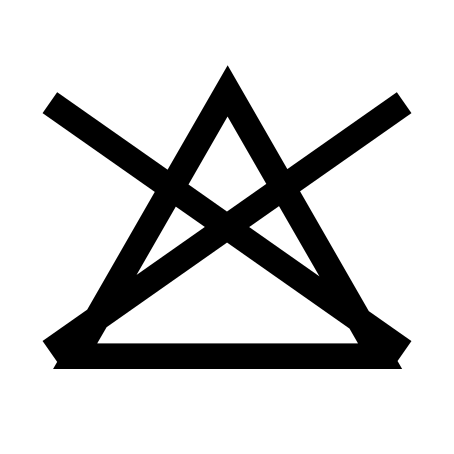 Do not bleach
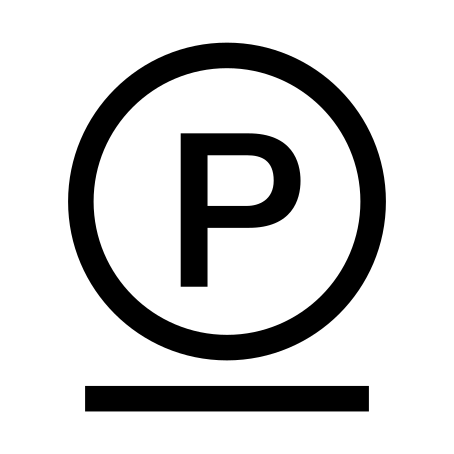
 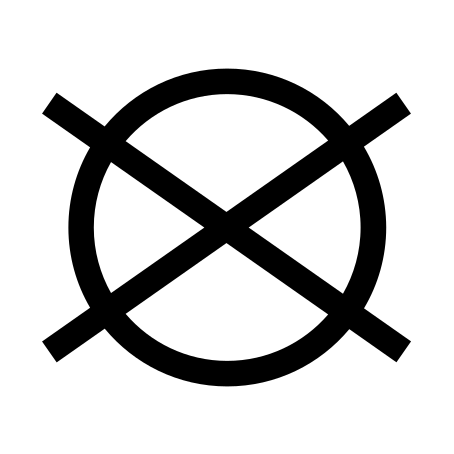 No dry cleaning possible
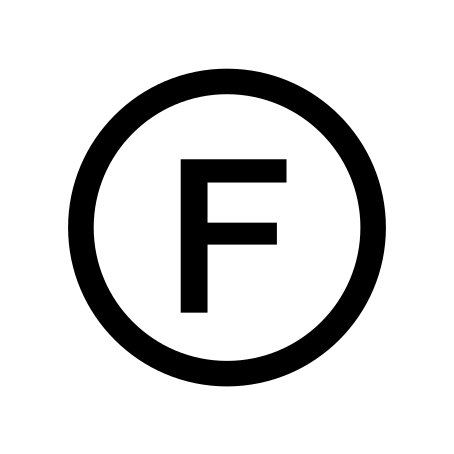
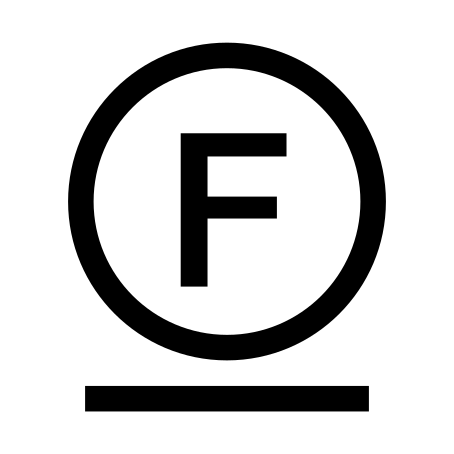
 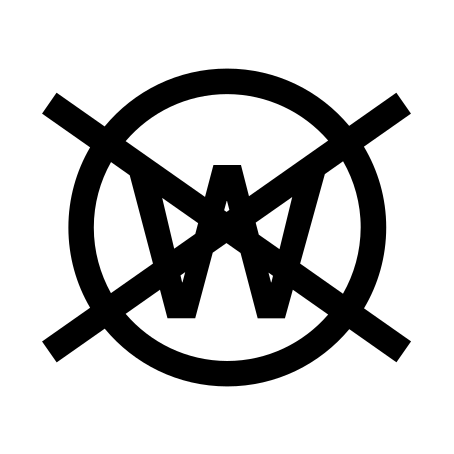 No wet cleaning possible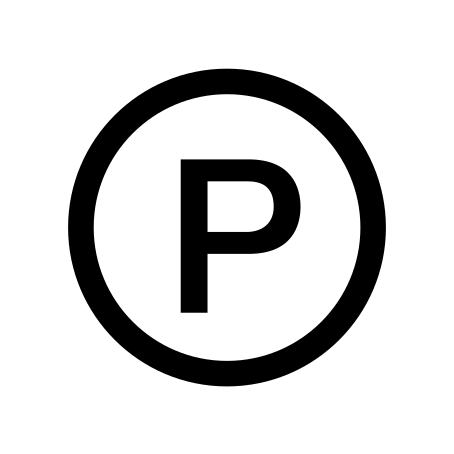
Organic virgin wool is characterised by the respect for animals and human beings. The merino sheep can live in a healthy and stress-free manner according to their needs and their species. Pastures must be selected in accordance with the climatic and ecological conditions that suit the merino sheep, the use of pesticides is forbidden both on the pastures and on the animal. The animals reproduce in a natural manner and interventions with the animal, such as tail docking or mulesing are forbidden. In short – the sheep are living a happy life.
This term refers to the seed hair of the cotton boll, which bursts open when fully ripe. It grows in a tropical and subtropical climate. Cotton from ENGEL is strictly hand-picked, always originates from controlled organic cultivation and is therefore free of pesticides, artificial fertilisers and herbicides. Apart from a considerate treatment of nature, a fair cooperation with the producers is guaranteed. Natural cotton is very skin friendly and therefore particularly well suited for sensitive skin, but at the same time extremely durable and hard-wearing. Moreover, textiles made of natural cotton wool are anti-static and colour-fast and can be washed in the washing machine at high temperatures.
is the general term for all textile finishing methods, which change the visual appearance, which are the wear or care properties of a commodity following weaving or knitting. A distinction is made between mechanical and chemical finishing.
The Global Organic Textile Standard (GOTS) is recognised as worldwide leading standard for the processing of textiles made of biologically produced natural fibres. The standard defines environmental requirements throughout the entire textile production chain on a high levels and at the same time demands compliance with social criteria.
ENGEL offers products that are certified with the GOTS. To be able to continue these certifications, we must be recertified by an independent organiation every year to guarantee a transparent, fair and ecological production.
Elastic, double-faced flat or circular weft-knitted or warp-knitted knitwear, which on both sides of the fabric only exhibits plain stiches but is not ribbed. Two plain-plain knitted fabrics are joined together in such a manner that a plain stitch on the front is opposed by a slightly offset plain stitch on the rear. This results in an exceptionally fine and smooth loop structure. The fabric has a very supple appearance.
Products carrying the seal “IVN certified BEST – Natural textile” are produced according to the highest possible ecological standards and thus clearly even surpass the requirements of the GOTS.
Products that are certified with the IVN Best must be produced from 100% controlled organic natural fibres.
Mulesing For climatic reasons, sheep, particularly the very woolly merino sheep, are subject to infestation with the blowfly, especially in Australia and New Zealand. The fly thrives mostly in regions with permanently green ground cover, i.e. regions with frequent rainfalls. The climate is rather continental and only exhibits slight seasonal fluctuations, except for the South of Australia.
Quality mark for natural textiles granted by the International Association of the Natural Textile Industry (IVN).
Nickel is a silvery-white metal and the most frequent trigger of contact allergies. It is estimated that approx. 2 million people in Germany are sensitised to nickel. Besides, inhaling inorganic nickel compound leads to an increased risk of lung cancer. This is why ENGEL only uses nickel-free materials for press studs and other closures.
In the textile sector, “organic” is not a protected term so that when you encounter this term it is not guaranteed that the products were manufactured according to ecological guidelines. The same applies to terms such as “natural”, “nature”, “healthy” or “ecological”. To be sure about organic products, you can pay attention to certifications such as “controlled organic cultivation” and the quality marks “NATURTEXTIL-IVN ZERTIFIZIERT BEST”, “GLOBAL ORGANIC TEXTILE STANDARD (GOTS)”, “BIOLAND” and “DEMETER”.
organic cotton only permits natural fertilisers and prescribes a cultivation with crop rotation (e.g. with grain or different types of vegetables such as sweet corn, beans, peanuts). That means that cotton is cultivated without chemical fertilisers and without the use of pesticides according to biodynamic guidelines. Thus, only soils are cultivated that have not been treated with chemicals for several years. Weeds are removed by hand, while pests are controlled through mixed cultivation and the introduction of beneficial insects. Biotopes that are set up, for example hedgerows and trees, serve as nesting sites for birds and small animals. Green manuring and alternating crop rotation enliven the soil and produce bigger harvests. Depending on the degree of ripeness of the cotton bolls, harvesting is carried out in 3 to 4 manual picking processes.
More and more children and adults suffer from neurodermatitis. Therefore it is essential to avoid allergens as early as possible, especially during the first months of life. Not only the large skin surface, but also the initially weak immune system lead to a high sensitivity of babies' and children's skin to harmful substances.
Sleeve cut, where sleeve and shoulder portion consist of one part. The raglan seam runs from the neck ring across the breast and diagonally across the back to the armhole.
is obtained from the cocoon of the wild silk moth. It designates the long staple fibres that are spun to tussah silk using the spun silk spinning method.
The silk thread is an animal protein fibre that is won from the cocoon of the silkworm. Its structure and properties are similar to wool fibres. The extraordinarily long fibres of natural silk, their tensile strength, yarn count and their characteristic touch turn them into one of the most precious and valuable textile materials. Silk has the gift to regulate the temperature and is particularly skin-friendly, so it is also very suited for people with sensitive skin.
The skin is our largest and most important sensory organ. It serves us humans as protective shell, senses soft touches just as much as pain, pressure and temperature and regulates our entire heat and moisture balance. Depending on the degree of physical exertion, the skin releases 1 to 2 litres of fluid every day to cool the body through the sweat glands.
Wool fibres are protein fibres, and their composition is similar to the human skin. Only the hair of sheep is referred to as wool. All other animal hair, whether obtained from lamas, vicunas, goats, angora rabbits and camels, is not defined as wool although they are all very similar in structure. These are all protein fibres that consist of keratin (horn). Wool fibres have a characteristic structure due to their fine scales that are layered in a tiered structure. When treated incorrectly, these outer scales can become so entangled that the scales firmly interlock, that means the wool turns mat. Virgin wool describes wool fibres that are won by shearing living sheep. Only the primary processing may be referred to as pure virgin wool. Virgin merino wool comes off the merino sheep; it has a fine curl and is supple and soft.
Wool is very elastic. It is dirt- and water-repellent. Wool provides a temperature balancing and heat-regulating effect. It keeps you warmer than any other material. It regulates skin perspiration and the exchange of oxygen. It can absorb up to 1/3 of its own weight in moisture without feeling wet. Thanks to the dirt-repelling habit, frequent washing is unnecessary as wool regenerates itself in combination with oxygen-rich air, i.e. by airing outside.


