




Moths in wool: How to recognise infestation and protect your clothing in the long term
Wool is a valuable natural fibre – sustainable, functional and durable when cared for properly. By knowing which pests attack wool, how to recognise them and how to combat them gently, you not only protect your clothing, but also the natural quality that has distinguished ENGEL for decades.
But what exactly causes the damage – and why is wool particularly affected? Let's take a look at the most common pests that attack natural fibres.
Which pests eat clothing?
Clothes moth (Tineola bisselliella)
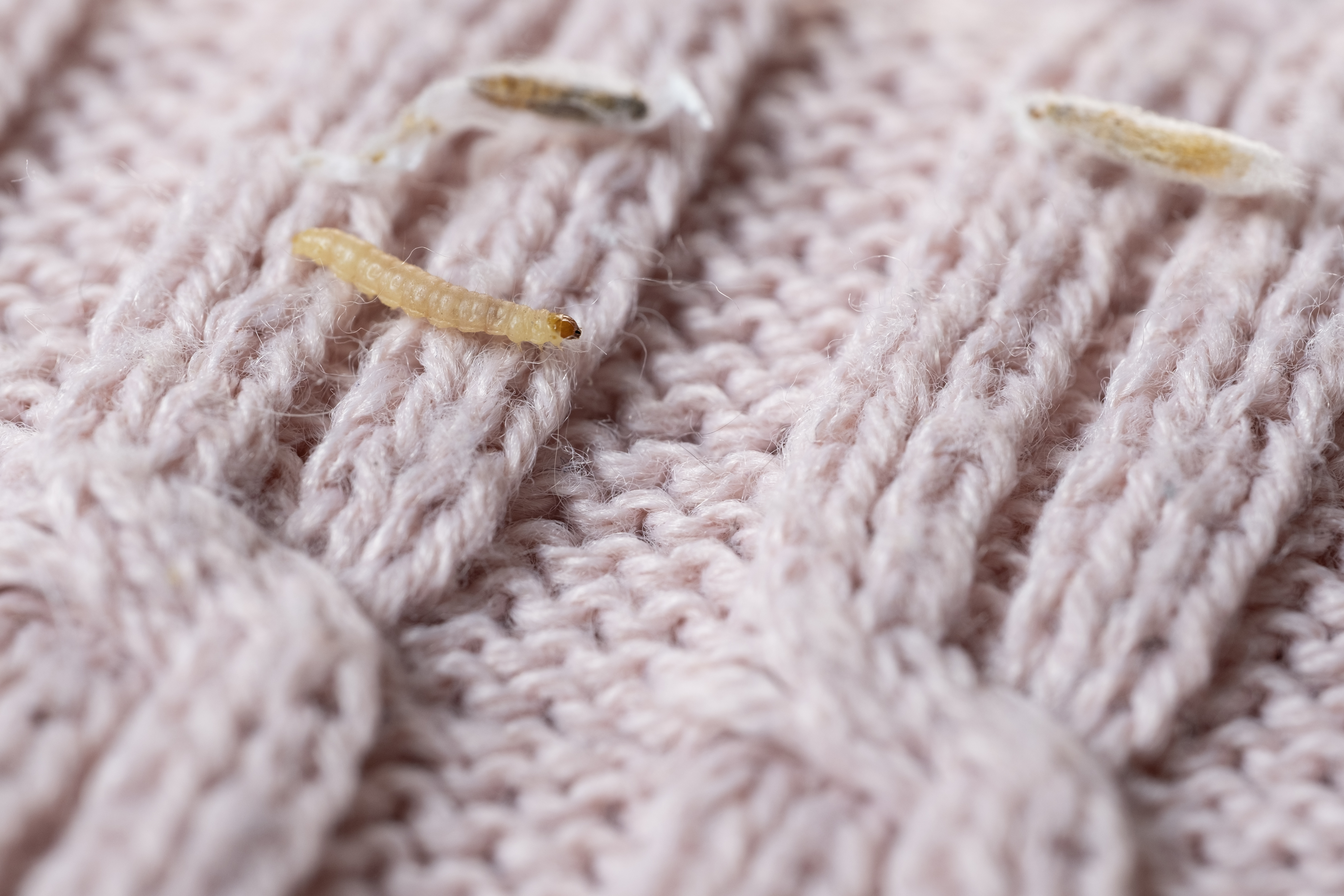
The most well-known pest that attacks wool is the clothes moth (Tineola bisselliella) - a small, inconspicuous moth that feels particularly at home in dark, warm and quiet areas. The female lays up to 250 eggs directly on wool textiles, furs or carpets. After about two weeks, yellowish-white larvae hatch and feed on keratin, a protein found in wool fibres. The result: small, irregular holes or elongated feeding grooves – a clear sign of moth infestation.
Larder beetle (Dermestes lardarius)
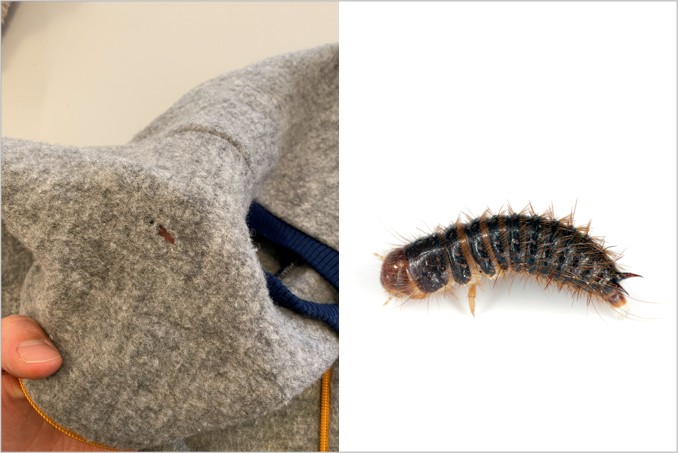
In addition to the clothes moth, the larder beetle (Dermestes lardarius) can also cause damage. Its larvae leave irregularly shaped holes and also prefer organic materials such as wool, fur or feathers. Infestation is often encouraged by discarded, rarely worn clothing – especially if it contains skin flakes or hair, which serve as an additional food source for the larvae.
How can you recognise clothes moths in wool?
The first signs are usually fine holes in jumpers, knitwear or woollen underwear.
Typical signs are:
- Small, elongated feeding marks (especially on woollen fleece)
- Small webs or cocoons between the fibres
- Fine, white residues – the shells of hatched larvae
- Rare: Small, golden-yellow moths flying out of the wardrobe
It can occur in any household, especially where clothes are left hanging or lying around undisturbed for long periods of time.
How do I get moths out of wool? Immediate measures
If you notice a moth infestation, act quickly but carefully – without using chemicals. Chemical agents can be harmful to health and damage the delicate wool fibres. It is better to use natural methods:
- Freeze textiles: This kills larvae and eggs without damaging the fabric
- Cleaning: Carefully brush clothing and wash on a wool cycle. Then allow to dry completely. You can find suitable wool detergent here
- Clean cupboards: Wipe all surfaces, drawers and crevices with warm soapy water and then vacuum thoroughly. Moths like to nest in the smallest of crevices.
- Use natural repellents: Cedar wood, lavender, Swiss stone pine or neem oil keep moths away. Place small bags with pieces of wood or dried lavender in the cupboard.
- Use parasitic wasps: These tiny beneficial insects are the natural enemy of moth larvae – completely harmless to humans and animals.
How long should you freeze wool if it has been infested by moths?
You should freeze infested clothing at -18°C for at least 24 hours.
How do you protect wool from moths?
Sustainable protection begins with proper handling and storage:
- Store clean clothing: Moths are attracted to organic residues – so always clean items before storing them.
- Store clothing in airtight containers: Use cotton bags, tightly sealed boxes or our bags.
→ This is also the reason why ENGEL products are packaged in protective bags. Our bags are perfect for this purpose. - Ventilate and move regularly: Moths do not like movement or light – regular ventilation deters them.
- Use natural protective agents on a permanent basis: Replace cedarwood or lavender sachets regularly to maintain their effectiveness.
You may also be interested in:
Pilling in fleece products – interview with textile engeneer Katja from ENGEL


