
What is the difference between virgin wool and merino wool?
Not all wool is the same. Terms such as virgin wool, merino wool and shoddy wool often appear in connection with high-quality clothing – but what do they actually mean?
In this article, we explain the difference between virgin wool and merino wool, the quality behind them and why ENGEL only uses mulesing-free merino virgin wool.
Virgin wool – definition and quality characteristics
Virgin wool is the term used to describe the first shearing of wool from live sheep. This fibre is pure, unused and comes directly from the wool of a healthy animal. It is therefore considered to be of particularly high quality. The term virgin wool generally refers to wool from all breeds of sheep and not to a specific breed.
Important to know: The term wool alone is a collective term and can also include lower qualities such as recycled fibres or wool from animal skins. The differences are significant:
- Virgin wool: freshly shorn wool from living sheep – highest quality
- Rag wool: wool recycled from old textiles (e.g. cutting scraps)
- Tanner's wool:wool from the processing of the skins of slaughtered animals
- Dead wool: wool from sheep that have died naturally
Only with the designation ‘virgin wool’ can you be sure that it is a pure, original natural fibre – without chemical recovery or industrial processing.
What is merino wool?
Merino wool is a particularly fine type of virgin wool – it comes from merino sheep, an ancient breed of sheep that originated in North Africa and was brought to Spain in the Middle Ages. Today, the largest herds live in Australia, New Zealand, Argentina and South Africa.
What makes merino wool special:
- Extremely fine fibres (approx. 16–21 microns
- Particularly soft on the skin no scratching
- Breathable and temperature-regulating
- High durability - crease-resistant and elastic
- Naturally odourless due to antibacterial properties
- Natural UV protection
Compared to ‘normal’ virgin wool, merino wool feels significantly softer and finer – making it ideal for underwear, children's clothing or clothing worn directly on the skin.
Note on labelling: Merino wool is a purely promotional statement about the breed and quality. However, the label ‘100% merino wool’ is legally inadmissible and can be punished with heavy fines. That is why our ENGEL labels say ‘100% virgin wool’.
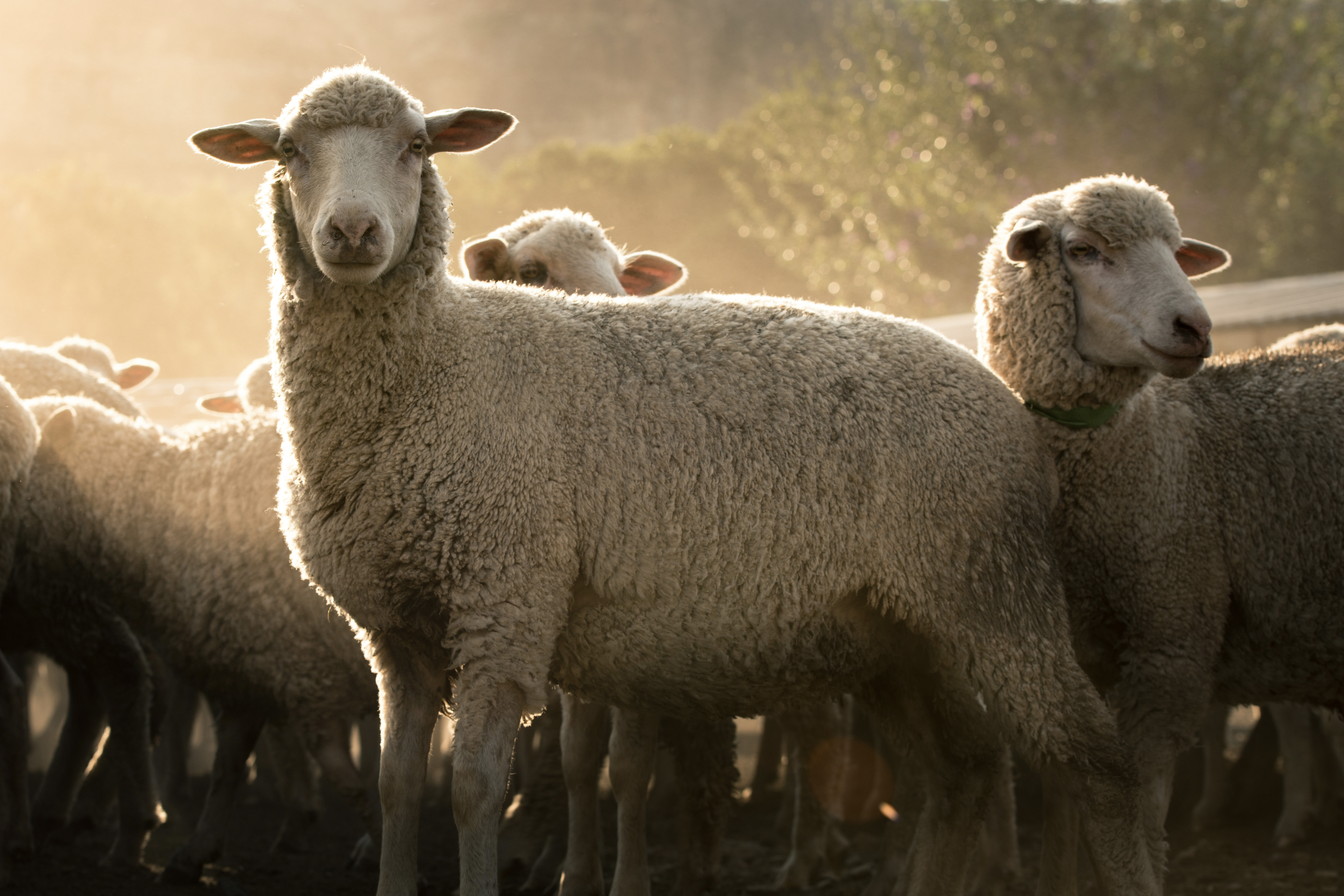
How good is merino wool really?
Merino wool is not only comfortable to wear, but also meets the highest functional standards:
- Temperature regulating – warms when it is cold, cools when it is warm
- Moisture balancing: merino wool can absorb up to 30% of its weight in moisture
- Self-cleaning: merino wool clothing needs to be washed much less frequently – simply airing or brushing it is often sufficient
- Biodegradable – a natural product without microplastics
Merino wool combines comfort, environmental awareness and functionality – ideal for discerning, nature-loving people.
What is the advantage of merino wool?
In direct comparison to other virgin wool, merino wool offers several advantages:
- Softer to the touch, even on sensitive skin
- Higher elasticity – stays in shape for a long time
- Merino wool is lighter than conventional wool, with the same heat retention
- Particularly skin-friendly, therefore also suitable for babies and allergy sufferers
Merino wool is therefore the first choice for high-quality natural clothing, such as ENGEL.
Which brands use mulesing-free merino wool?
Not all merino wool is automatically ethical. The problem is that in regions such as Australia, the controversial mulesing procedure is often used, in which skin is removed from lambs without anaesthesia to prevent fly infestation.
ENGEL stands for mulesing-free merino wool, guaranteed by:
- Exclusive origin from Argentina (Patagonia)
- Controlled organic animal husbandry
- Certifications such as NATURTEXTIL IVN BEST and GOTS
Patagonia's climate is such that fly infestation is not a problem – mulesing is not necessary there.
Where does ENGEL's merino wool come from?
ENGEL sources its merino wool exclusively from certified organic animal husbandry in Argentina. The animals live in species-appropriate conditions, have sufficient freedom of movement and are neither chemically treated nor kept in mulesing-based conditions.
Certificates GOTS (Global Organic Textile Standard) and IVN BEST (International Association of Natural Textile Industry) guarantee complete traceability, ecological production and fair conditions – from the sheep to the finished garment.
Conclusion: Virgin wool is good – merino wool from ENGEL is the finest virgin wool for the highest demands
Virgin wool is the generic term for natural first fibres from living sheep. Merino wool is a particularly fine variety of this – high-quality, soft, functional and skin-friendly.
If you value responsibility, quality and certified origin, choosing ENGEL merino virgin wool is a decision that is good for your skin, the animals and the environment.


